

Severe mid-winter freezes followed by record hot and dry summer droughts are becoming a recurring issue here in Williamson County. These wild climate combinations are wreaking havoc on our established tree species and landscape shrubbery. The past week had around 50 continuous hours of sub-freezing temperatures. This was the third longest freeze period ever recorded for our region (however these pales to the all-time 166 continuous freezing hours recorded in 2021).
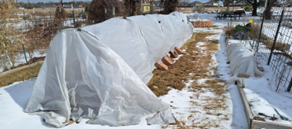
So, what do we do now? As daytime temperatures improve this week it is crucial to remove or roll back your frost blankets on these warm days. Remove any mulch/pine needle covers as well. Frost blankets are very effective in insulating and trapping heat; however, this could result in significant heat buildup if left on during the day and result in plant damage
Assess frost damage to plants over the next week or two. Wait before pruning as it does take several days to see the injury. Examine the branches by scraping off a bit of the bark, and if you see green tissue under the bark, the branch has survived. If brown, black or mushy tissue under the bark is seen, this should be pruned back.
We have already forgotten that this winter has been one of the all-time warmest and driest. Many of our landscape plants did not go into dormancy. Now is the time to cut back the branches of most (but not all species) of landscape ornamentals. Generally, plants that flower in later summer and fall are new wood bloomers such as the crape myrtle, and the hibiscus. A call to our helpful Master Gardener Hotline folks will be able to provide you with information about which shrubs should not be pruned back now.
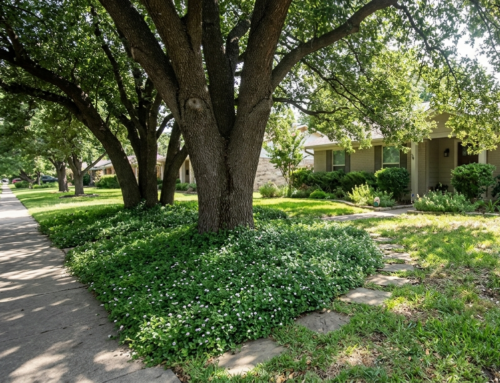
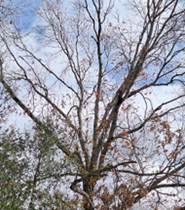
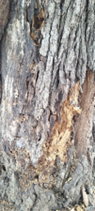
Trees management is another issue entirely. Removal of broken and dead limbs now should be your first concern. Our long summer droughts and extended periods of very high temperatures coupled with severe winter freezes can result in cumulative damage to trees. These environmental stresses can reach a point where the affected trees are unable to fully recover. Initial symptoms may manifest themselves as a slow decline in leaf canopy fullness, and suppressed growth. Cankers and oozing splits may develop in the bark. Frequently a fungal decay (which may be brown or whitish in color) is seen under the lifting bark. These exposed areas can subject the tree to further disease and insect attack. Trees are like people; some are weaker than others. Trees of the same species may react somewhat differently in their ability to recover from diseases and other maladies. Some trees are just naturally weaker than others, particularly if there have been continual stresses from low fertility and uneven watering or even a result of a poorly planted tree. Oak tree decline pictures this fall, of a red oak (L) and live oak (R) showing with canker and fungal rot underneath the bark.
As spring approaches, please try to give your trees extra care by adopting proper fertility and deep watering techniques. Water your trees to about 8” depth and record how long it takes to water down to this level. The time it takes to achieve this will vary depending upon your soil type (clay or sandy, or gravel) and your irrigation equipment.
Use this information as a guide for all your future irrigations. This technique alone will go a long way to provide you with savings on your water bill, develop happier and healthier trees, and reduce or eliminate unnecessary tree surgeon consultations.
As always, please contact our Williamson County Master Gardener Helpdesk for all your plant questions at our new email address [email protected] or call our office at 512-943-3300. This is a free service for all Wilco residents. Happy Gardening!

Gary Pastushok
County Extension Agent – Horticulture
Williamson County AgriLife Extension Office
Georgetown, Texas 78626
512-943-3300
https://williamson.agrilife.org
Disclaimer: References to products or treatments are for educational purposes only and do not imply endorsement by the Texas A&M AgriLife Extension Service or constitute medical advice.
Share This Story, Choose Your Platform!