

The Unseen Threat: Why Raking Autumn Leaves Could Leave You Covered in Itchy Bites
CHIGGERS, GALL MIDGES AND ITCH MITES
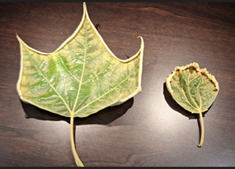
Mite damage and curled leaf margins (gall midges) on sycamore.
Mites are nasty . Mites are not insects but are arachnids (like spiders). If you have lived in Texas for any period of time you are likely very aware of chiggers. Chiggers are more of an issue in the spring and early summer and frequently bite your lower extremities. Another serious and lesser-known biting mite is the oak leaf itch mite (OLIM) that doesn’t normally attack people. I had an unfortunate run-in with these nearly microscopic biting critters on a couple of occasions during a series of tree site visits over the previous month.
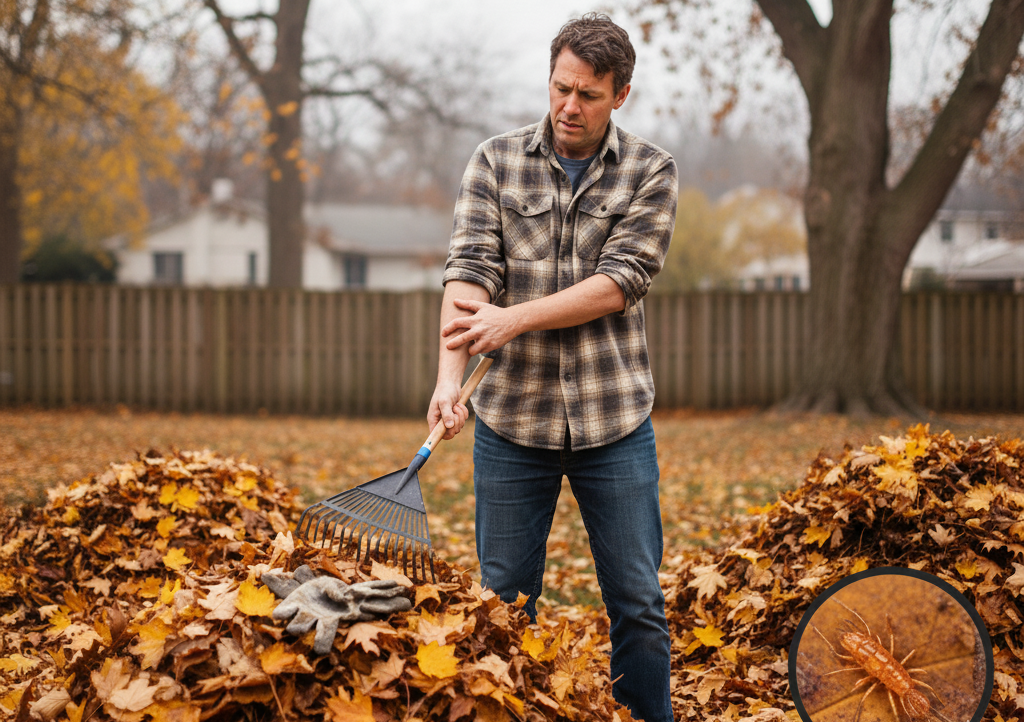
When you rake or bag up fallen leaves from oaks and other tree species you may expose yourself to the oak leaf itch mite (OLIM). Huge populations of mites can develop on trees. Large broods of cicadas in each of the past two years have been prime food sources for mites as are the gall midges that produce curled leaves many tree species (see photo). OLIM populations can also increase under cool and wet growing conditions like we had this summer. I guess you can say it was like a mite Armageddon. It is possible to have several hundred thousand mites dropping from a single tree when its food sources decline into fall. OLIMs are very small and can be wind transported to other areas and can enter directly through screens and loose clothing. It usually takes a few short hours once they are on you before they bite. An extremely itchy raised welt with a blistery center will develop. These lesions can last a couple of weeks or longer. Try to avoid scratching as you can easily develop a bacterial infection. A soapy shower soon after your initial exposure will rid you of the mites, however the bites will continue to remain very itchy because of the toxins injected into the bite wounds.
Reducing The Symptoms
Antihistamines, or hydrocortisone creams are a couple of helpful suggestions to possibly reduce the symptoms. Wearing long sleeve shirts with densely woven fabrics, long pants, some repellents (permethrin), and hats may help to reduce mite bites – or better yet have someone else handle the job of raking/bagging leaves. Good News…. A smaller cicada brood hatch is expected in 2026, which may result in less food available for the OLIMs and maybe cause fewer mite bites next year. I for one certainly hope so!

Gary Pastushok
County Extension Agent – Horticulture
Williamson County AgriLife Extension Office
Georgetown, Texas 78626
512-943-3300
https://williamson.agrilife.org
Disclaimer: References to products or treatments are for educational purposes only and do not imply endorsement by the Texas A&M AgriLife Extension Service or constitute medical advice.
Share This Story, Choose Your Platform!