







3 Minute Read
By K. Williams at visualdesignsgroup.com
For many Central Texans, summer means heading south for some coastal relief, whether it’s a family beach house in Port Aransas or a solo recharge on the sand flats of Surfside Beach. The Texas Gulf Coast offers no shortage of sun-soaked beauty, and the I-35 corridor funnels thousands each weekend toward favorites like Corpus Christi, Galveston, and the quieter stretches of Padre Island.
But amid the crashing waves and carefree fun, there’s one hazard that often goes unnoticed until it’s too late: rip currents.
Accidental drownings are one of summer’s worst nightmares, and every season, they claim lives in heartbreaking tragedies. Beaches fill with millions of Americans eager to soak up the sun and splash into the waves, often unaware of the hidden danger lurking beneath the surface: rip currents.
These powerful currents typically form at low spots or breaks in sandbars and near manmade structures such as jetties, piers, and groins. They can often be identified by narrow bands of darker, deceptively calmer water that appear between breaking waves and whitewater. Other visual cues include choppy textures, sudden changes in water color, or lines of foam, seaweed, or debris moving swiftly seaward.
These clues are easy to overlook, especially in the relaxed atmosphere of a beach day. And too often, swimmers only realize they’re caught in a rip when they’ve been pulled away from shore and start to panic, a dangerous recipe for exhaustion and drowning.
One of this summer’s most devastating losses was actor Malcolm-Jamal Warner, beloved as Theo Huxtable from The Cosby Show, who drowned in Costa Rica after being caught in a rip current. His death is a sobering reminder that even strong swimmers and public figures are vulnerable.
To stay safe: remain calm, conserve energy, float, and swim parallel to the shore until you’re out of the current, then angle back in. And always have a designated watcher.
| Did You Know?
The CDC reports around 4,500 fatal unintentional drownings annually, with half occurring in oceans, lakes, and rivers. |
What to do if you plan a rescue attempt for someone from a rip current
Stay on Shore if Possible
The safest way to help is from land. Call 911 immediately and alert lifeguards if available. Use visual cues to keep track of the person’s location.
Use a Floatation Device
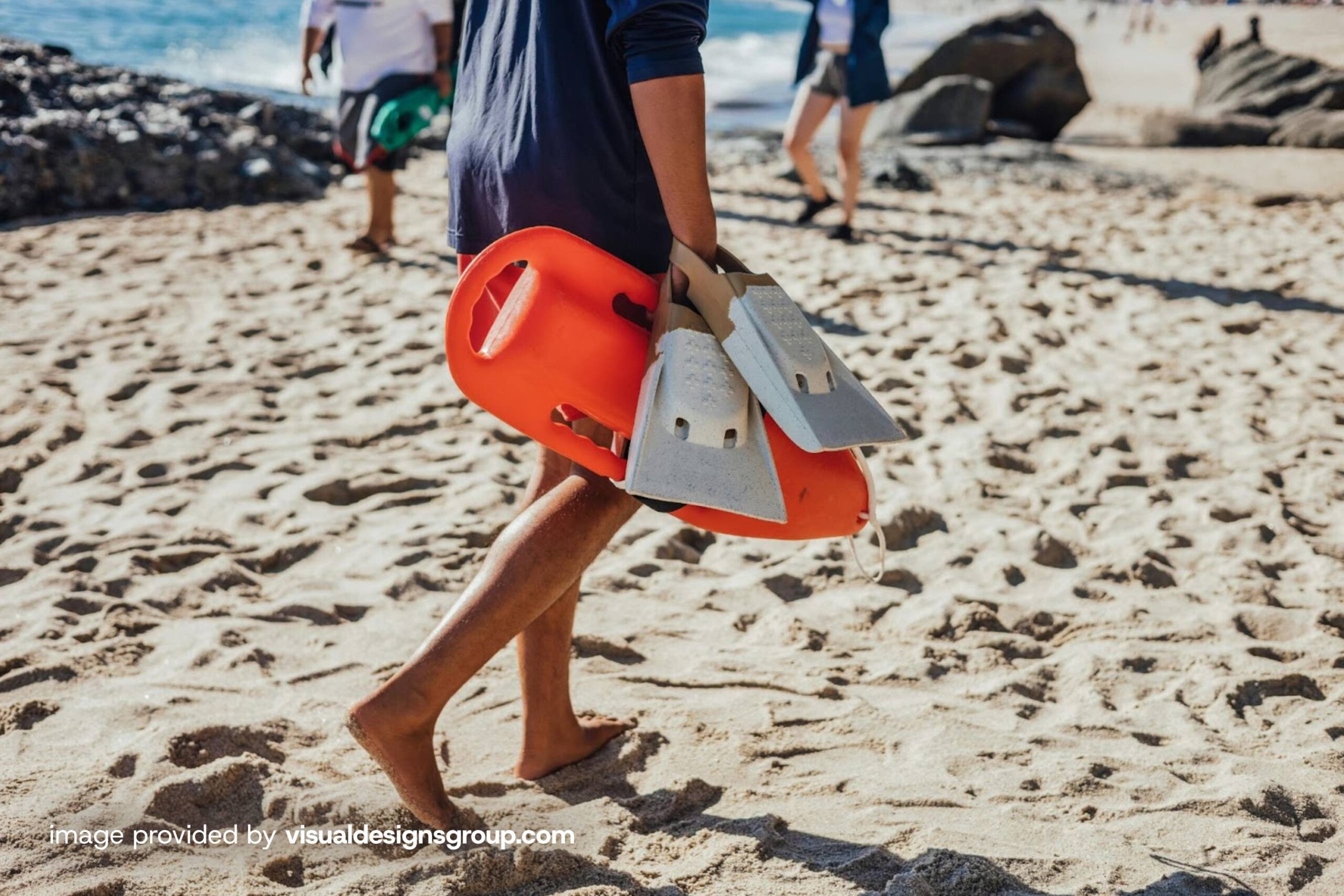
If you must enter the water, bring something that floats—a boogie board, life ring, or even a cooler lid. Never swim out empty-handed.
Approach with Caution
Swim parallel to the shore to avoid the current’s pull. Approach the person from the side, not head-on, and keep the float between you.
Don’t Engage in a Tug-of-War
Avoid grabbing or pulling the person directly. Panic can make them cling to you, putting both lives at risk. Encourage them to float and stay calm.
Guide, Don’t Drag
Once out of the current, guide them diagonally toward shore. Stay with them until help arrives or you both reach safety.
Know When to Stop
If conditions worsen or you feel overwhelmed, turn back. Your safety matters too. A failed rescue attempt can escalate the emergency.
Safety around rip currents begins with having the right knowledge—clear, accurate information empowers beachgoers to make calm, informed choices when every second counts. Whether you’re swimming or simply observing, understanding the risks and recognizing the signs can mean the difference between tragedy and protection. ————————————————————-
RELATED STORIES
https://abcnews.go.com/US/father-drowns-after-saving-5-people-rip-current/story?id=123806337
———————————————————————
Correct Quiz Answer:
B) A riptide is caused by tidal movements, while a rip current is caused by wave action.
Explanation:
A riptide is caused by tidal movements, often occurring at the mouths of bays or estuaries, while a rip current is caused by wave action and forms near beaches, pulling water away from the shore.
K. Williams is a content contributor at Wilco Connection and graphics specialist at visualdesignsgroup.com
Share This Story, Choose Your Platform!
2026 Certified Specialist of Spirits Study Guide Paperback
December 27, 2024
by Jane Nickles (Author)