






3 Minute Read
By K. Williams at visualdesignsgroup.com
The emergency room isn’t always a quick visit. For older adults, it can turn into an overnight stay, or longer, before anyone has time to go home and gather their things. In those moments, comfort matters. And so does preparedness.
Imagine the scene: your loved one is admitted, surrounded by unfamiliar faces, bright lights, beeping monitors and a constant hum of activity. Nurses are kind, but busy juggling multiple patients. The wait stretches into hours. There’s uncertainty, anxiety and suddenly, the lack of basics becomes a source of unexpected stress. “Does she have her glasses?” “What about her phone charger?” “Did we bring her medication list?” “Does she have her hearing aids?” Vital questions hang in the air. When the essentials aren’t there, vulnerability creeps in.
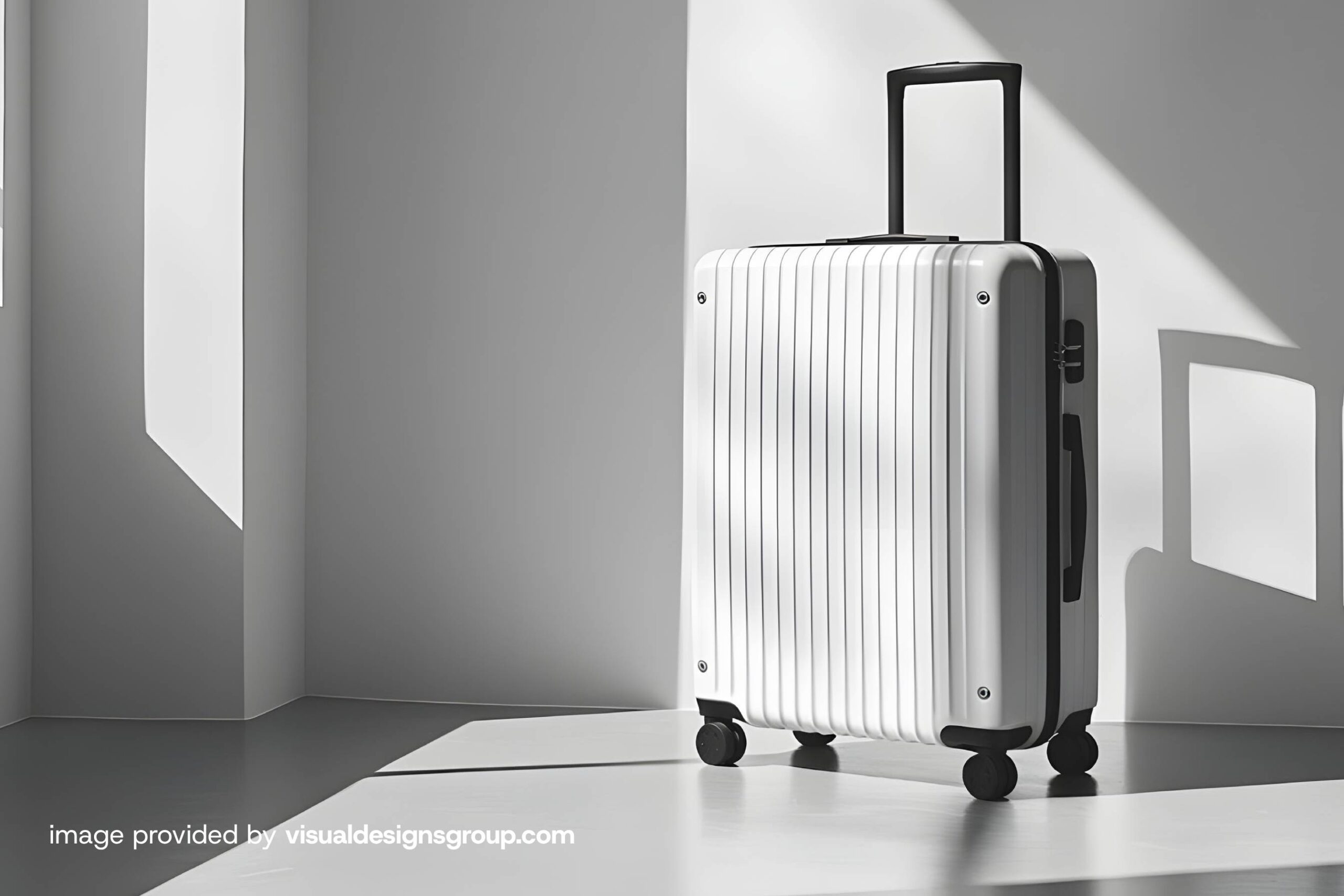
That’s why a go bag isn’t just practical, it’s empowering. Packed ahead of time and kept within easy reach, it ensures older adults arrive not just with medical paperwork, but with the personal items that preserve dignity and bring comfort. It’s a gesture of care, foresight, and protection. Packed ahead of time and stored somewhere easy to grab, it turns chaos into calm. It lets older adults arrive at the hospital with more than just vital medical documents, they come equipped with familiarity: a favorite sweater, clean undergarments, a simple snack, or a crossword puzzle to pass time. These items may seem minor, but they bring continuity and a sense of control to what can feel like a whirlwind of clinical procedures.
From ID cards and allergy info to lip balm and a handwritten list of emergency contacts, the go bag is a bridge between home and hospital. It speaks for your loved one when they might not be able to. And perhaps most importantly, it shows that someone was thinking ahead, not just about health, but about comfort, dignity, and peace of mind.
Having these items ready isn’t just about being organized, it’s about showing up prepared to preserve comfort, autonomy, and communication. For older adults, especially those who may feel disoriented or anxious in clinical settings, familiar things help restore calm. And when care teams ask questions, having quick access to medical info speeds up the process and avoids delays.
(Answer is at the end of the article)
| Did You Know?
Some states require witnesses and notarization. In places like Texas, a DNR form must be signed, dated, and witnessed (or notarized) to be valid. That means a verbal request in front of a physician often isn’t enough.. |
Information A Health Journal Should Include:
General Info
- Full name, date of birth, and emergency contacts
- Primary care physician and specialists’ names with contact info
- Health insurance details
Health History Overview
- Chronic conditions (e.g., diabetes, arthritis, heart disease)
- Previous surgeries or hospitalizations
- Allergies (medications, food, environmental)
- Family medical history highlights
Medication Log
- List of current medications with dosage and frequency
- Start/end dates of past medications (and reasons they were stopped)
- Any reactions to medications
Symptom & Incident Tracker
- Dates and descriptions of notable symptoms (e.g., sudden shortness of breath, severe headaches, fainting spells)
- Outcome or resolution (e.g., ER visit, new medication added)
- Ongoing concerns (e.g., recurring pain, dizziness, memory lapses)
Doctor Visits & Test Results
- Dates of appointments, doctor names, and reasons for visits
- Key test results (blood pressure readings, lab work summaries, etc.)
- Referrals and follow-up instructions
Notes & Observations
- Changes in mood, appetite, sleep
- Comments from caregivers or family members
- Personal observations (e.g., “Felt lightheaded after evening medication”)
——————————————————————–
RELATED STORIES
Nearly 1 in 4 U.S. hospitalized patients experience harmful events, study finds
https://www.aha.org/guidesreports/2024-09-12-new-analysis-shows-hospitals-performance-key-patient-safety-measures-surpassing-pre-pandemic-levels
———————————————————————
A well-prepared hospital bag doesn’t just carry paperwork; it holds comfort, organization, and confidence. It’s more than a checklist, it’s peace of mind. Between insurance forms and meds are quiet comforts: a soft blanket, a favorite book, and other things that keep loved ones close. These small reminders of home help the unknown become manageable, even reassuring.
Correct Quiz Answer:
D) Private rooms with modern decor
Explanation:
Modern hospitals often feature private rooms with calming decor to offer privacy and a more luxurious atmosphere.
K. Williams is a content contributor at Wilco Connection and graphics specialist at visualdesignsgroup.com
Share This Story, Choose Your Platform!
2026 Certified Specialist of Spirits Study Guide Paperback
December 27, 2024
by Jane Nickles (Author)