







3 Minute Read
By K. Williams at visualdesignsgroup.com
In a region known for vast skies, winding backroads, and sun-seared blacktops, summer in Central Texas doesn’t politely arrive, it descends. The days blaze early, the nights hold onto warmth like memories, and shade becomes a “hot commodity.” But beneath the golden glow lies a silent threat, one measured not in headlines, but in overheated bodies and overlooked risks.
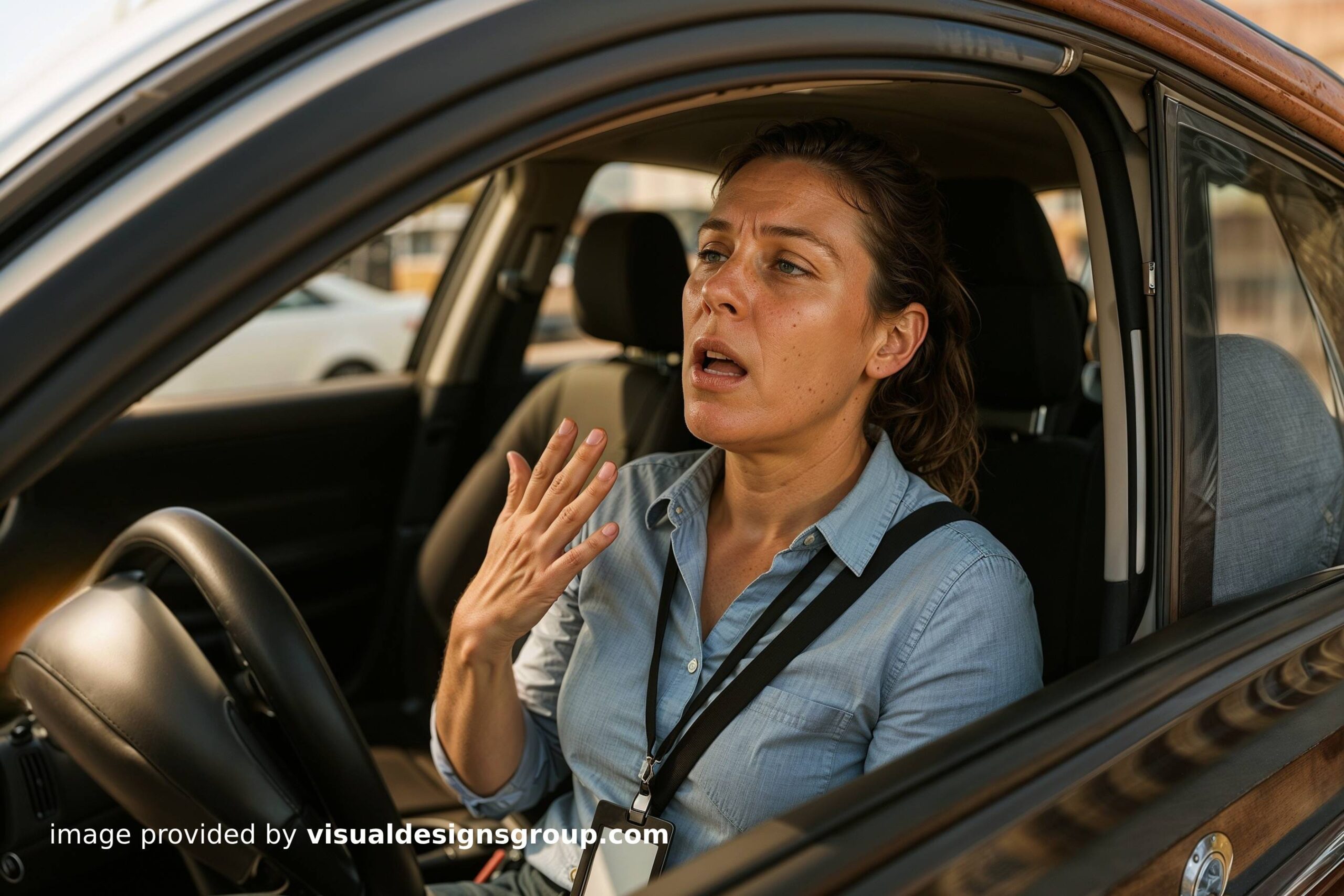
Across Williamson County, summer can be an unbearable scorcher. While the sun bakes sidewalks and windshields alike, the real danger lurks inside parked vehicles. Temperatures spike at record speed, turning interiors into ovens: dehydration, heat exhaustion, and heatstroke often follow before you’ve buckled in.
In Round Rock and Liberty Hill, the stillness inside locked cars is deceptive. With windows up and ventilation absent, cabin temperatures can surge past 130°F, especially in parked cars near busy stores or east-facing curbs. Pets, children, and unsuspecting adults face risk within minutes, experiencing disorientation, confusion, collapse, and even worse.
Drivers are fighting back with ingenuity. Reflective sunshades deflect solar radiation, cracked windows allow for passive cross-ventilation, and the viral “door flapping” trick that offers instant relief. Frozen water bottles in cup holders and fabric covers over hot surfaces can also help buffer the burn.
In Central Texas, where shade is short-lived and heat waits patiently in the driver’s seat, staying cool isn’t a luxury, it’s survival. Because while cars seem safe and familiar, their interiors can turn deadly fast. Here are some hacks for the car heat:
Car Cooling Hacks
- Door-Flapping Ventilation – Open one window slightly, then rapidly open and close the opposite door to push hot air out and pull cooler air in.
- Reflective Sunshades – Place them on the windshield and rear window to reflect solar radiation and reduce heat absorption.
- Cracked Windows + Crossflow – Crack windows on opposite sides to allow convection currents to flush out hot air.
- Towel Over Steering Wheel – Prevent heat buildup by covering metal or dark surfaces with light-colored cloth, which reduces conduction.
- Park Smart – Choose shaded areas or orient the car so the sun hits the rear instead of the windshield. This minimizes radiant heat gain.
Frozen Water Bottles as Passive Coolers – Place them in cup holders or near vents. As they melt, they absorb ambient heat via phase change.
RELATED STORIES
https://www.cdc.gov/heat-health/about/index.html
———————————————————————
Texas Heatstroke Deaths and ER Visits
- Texas recorded 678 heatstroke deaths in recent years, with an annualized rate of 0.32 deaths per 100,000 people.
- During peak heat waves, emergency room visits surged across Central Texas. On June 20, 2025, over 350 people statewide sought ER care for heat-related illness, the highest single-day total in two years.
Did You Know
Your Brain Can Literally Swell – Extreme heat can cause cerebral edema, swelling of the brain. That’s right, your head can puff up like a microwaved marshmallow, leading to confusion, seizures, or even coma.
Your Organs Can Begin to Cook – No exaggeration: prolonged heatstroke can cause internal organs like liver, kidneys, even your heart, to shut down or suffer permanent damage. It’s like slow-roasting your insides.
A Demonstration of the Oven Effect Inside Vehicles
During a heat wave, KGW news reporter Christine Pitawanich sat in a parked car to show how fast it heats up, from 96°F to 118.9°F in minutes. Her iPhone overheated and shut down mid-broadcast, cutting the live feed. While she was fine, the stunt went viral, proving not even your phone can handle that kind of heat, much less a human being or pet.
In Texas heat, your car shouldn’t become a hazard. With the right precautions, it can stay safe, shaded, and survivable.
Correct Answer:
D) Sunlight enters through the windows and gets trapped inside
Explanation: This is due to the greenhouse effect. Sunlight passes through the car’s windows and heats the interior surfaces. These surfaces emit infrared radiation, which cannot easily escape through the glass, causing the temperature to rise rapidly.
K. Williams is a content contributor at Wilco Connection and graphics specialist at visualdesignsgroup.com
Share This Story, Choose Your Platform!
2026 Certified Specialist of Spirits Study Guide Paperback
December 27, 2024
by Jane Nickles (Author)