





Getting to Know Chenin Blanc
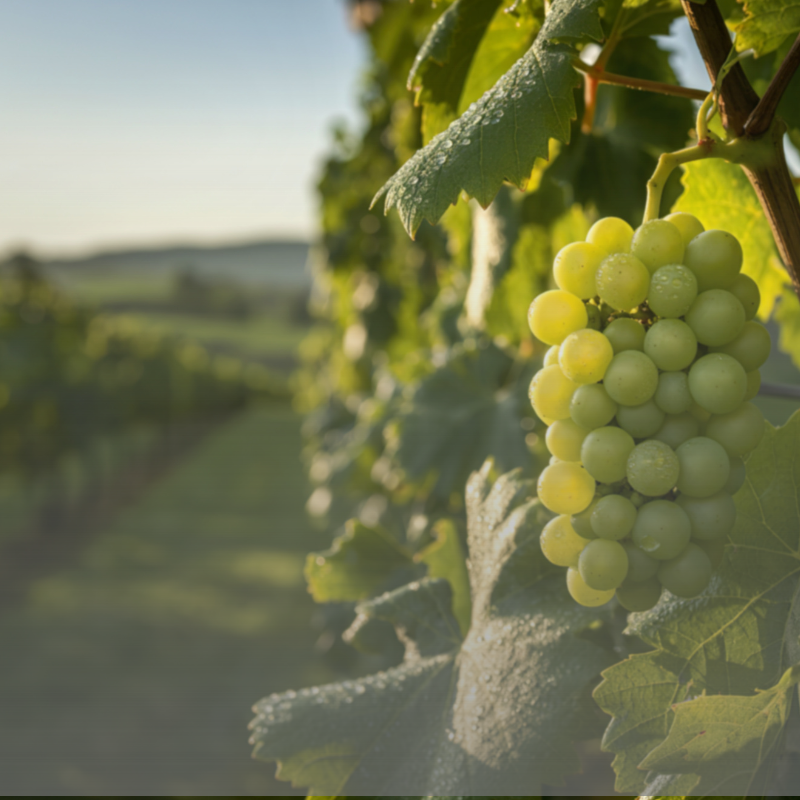
While not as popular as Chardonnay or as delightfully controversial as Riesling, Chenin Blanc is among the wine world’s most beloved and versatile white wine grapes. Native to the Loire Valley in France, Chenin Blanc is used to produced delightful dry, still (non-sparkling) wines and delectable bubbly in addition to rich and luscious dessert wines. As such, Chenin has earned its place in the vinous hall of fame.
On the list of the most widely grown wine grapes, Chenin Blanc is currently listed as #27 and planted to about 98,000 acres worldwide (this according to the University of Adelaide in their 2020 publication, “Which Winegrape Varieties are Grown Where?”).
Chenin Blanc—known as Pineau de la Loire in its native land—can thrive in a variety of vineyards soils and tolerate climates ranging from cool and foggy to warm and sunny. Because of this resilience, Chenin Blanc can show a range of aromas and flavors (as well as levels of quality and yield) that are dependent on vineyard conditions. Wine geeks like to say (loud and proud) that “Chenin can be quite terroir-specific.” (That just means that it can taste/seem different depending on where and how it was grown.)
Nevertheless, we can pose a palate of aromas and flavors typical of Chenin Blanc-based wines—and it is quite a beautiful list in all of its fruity, floral, and herbalicious glory. In a dry Chenin Blanc, look for fruity aromas including green or golden apple, apricot, yellow pear, orange, lemon, or tangerine. The floral notes can be subtle but easily recognizable and include orange blossom, jasmine, honeysuckle, and a bundle of white floral aromas that I like to call “distant memories of wedding bouquet.” While showing herbal/earthy aromas of mountain moss, savory herbs, and chamomile tea, Chenin can also remind us of the verdant hillsides where those flowers grow. In terms of structure, Chenin Blanc is typically light-to-medium in body alongside a crackling hit of lemony acidity.
Sweet versions of Chenin Blanc—often made using late-harvest or botrytised-affected* grapes—may include all of the aromas mentioned above alongside scents of honey, melon, and tropical fruit such as papaya and pineapple.
Chenin Blanc is still grown and very much beloved in France’s Loire Valley—its native home. Dry, still (non-sparkling) versions are produced in several Loire Valley appellations (regions), with Vouvray AOC being (in my humble opinion) the most recognizable and widely distributed. Other, more obscure appellations include Montlouis-sur-Loire AOC, Savennières AOC, and Anjou AOC. Most of these regions also produce amazing sparkling Chenin Blanc, with Vouvray Mousseux being the most prolific (and quite easy to find in central Texas). Sweet versions of Chenin Blanc are also produced in Vouvray, in addition to quite a few sweet-wine-centric appellations such as Bonnezeaux AOC, Coteaux du Layon AOC, and Quarts de Chaume AOC.
Chenin Blanc is also renowned in South Africa, where it is often referred to by a traditional name—Steen—and clocks in as the country’s most widely planted variety. Chenin Blanc is known as a heritage grape in South Africa, and it just might have been one of the original cuttings brought to the Cape of Good Hope (and planted by Jan van Riebeeck) in 1655. Another theory states that Chenin came to South Africa in 1685 along with the French Huguenots fleeing Europe after the revocation of the Edict of Nantes. Either way, Chenin Blanc has earned its place in South African wine, and South African Chenin Blanc is easy to find (and easy to love) in central Texas.
Chenin Blanc is found in many other corners of the wine-making world, and delectable versions are produced in California, Oregon, Australia, Canada, and Argentina as well as right here in Texas.
Light and delectable, Chenin Blanc makes a great pairing partner for a range of foods. My favorite pairing partners for Chenin Blanc include roast chicken with apricot sauce, pork loin with cherries, arugula salad with slabs of Parmesan cheese, any type of seafood drenched in butter, pasta in creamy mushroom sauce, or charcuteries platters (heavy on the prosciutto). Try it and let us know what you think!
*Botrytis is a mold (that’s right, a mold) that can affect certain grapes in the later stages of ripening. If botrytis hits at the right time and place, it causes the grapes to raisinate (shrivel on the vine) and, in the process, become super-sweet. These shriveled, moldy grapes can be pressed into sweet, syrupy juice and made into a delectable, complex, delicious dessert wine. Sounds gross/tastes great. Trust me.
Jane A. Nickles, CWE—wine and spirits writer, educator, and entertainer—is the Director of Education and Certification for the Society of Wine Educators. You can find her on her blog, The Bubbly Professor. https://bubblyprofessor.com/
Share This Story, Choose Your Platform!
2026 Certified Specialist of Spirits Study Guide Paperback
December 27, 2024
by Jane Nickles (Author)